Product Management
Blog Management
Inquiry Management
Analytics Center

 Connect Your Store to WeChat
Follow Our Official Service Account
Manage Products & Inquiries Anywhere
Seller Services

Join GoldSupplier.com
Free & Instant Registration
Showcase Company & Products
Access Global Buying Requests

Activate Verified Supplier Membership
Priority Verified Visibility
Claim Exclusive Buying Requests
Automated Multi-language Store

Launch Your EasyOcean Website
Full-Service Website Management
Google Page 1 Guarantee
Enhanced Brand Credibility


The Industrial Equipment & Components channel features enterprises and products across key categories like Engine & Parts, Bearings, Fasteners & Fittings, Pump & Vacuum Equipment, and Valves, connecting global Wholesale Suppliers and Manufacturers to deliver one-stop solutions from OEM customization to bulk purchasing.
Embracing automation and smart technologies such as IoT-integrated systems and automated filtration equipment, the sector meets ISO standards and environmental compliance, supporting sustainable sourcing, bulk orders, and OEM production for diverse applications.
Goldsupplier.com implements strict audit and certification systems to ensure premium goods and trustworthy Suppliers and Manufacturers. Find reliable partners for your projects and request quotes to secure bulk deals efficiently.
15,118
3,846,562
48,548

Bearing


Engine & Part

Fastener & Fitting

Welding Equipment

Filtration Equipment & Parts

Pump & Vacuum Equipment

Power Transmission Parts

Refrigeration Equipment

Welding & Soldering Supplies

Industrial Customized Service

Valve

Cleaning Machine

Power & Generating Sets

Cutter & Tongs

Environment Protection Device

Boiler & Furnace

Conveyor & Parts

Compressor

Heater & Heat Exchanger

Sealing & Gaskets

Washing Equipment

Industrial Humidifier & Dehumidifier & Parts

Shaft

Ventilation Equipment

Valve Parts

Industrial Ceramic Products

Universal Hardware Parts

Industrial Pipeline Pipes

Ball Screw

Guide Rail

Other Equipment & Components

Industrial Brake

Air Clean Equipment

Industrial Adhesive Products

Pneumatic Component

Water Supply Equipment

Gas Generation Equipment & Parts

Drying Machine

Electrostatic Eliminator

Industrial 3D Printer

Linear Actuator

Machinery Stocks

Mass Transfer and Separation Equipment
Key developments and opportunities about Industrial Equipment & Components
Applications
Industry Trends
Sustainability & Compliance
Buying Guide
Featured verified suppliers in Industrial Equipment & Components
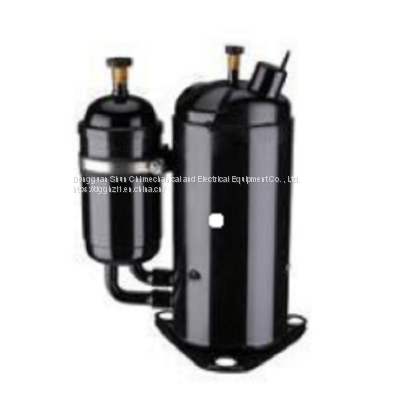
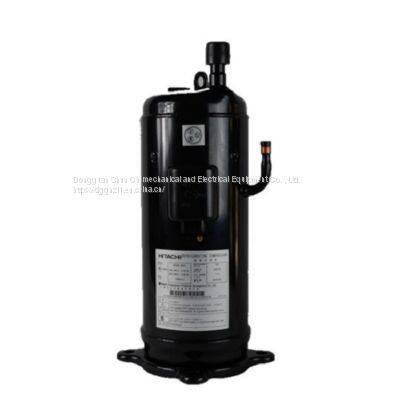
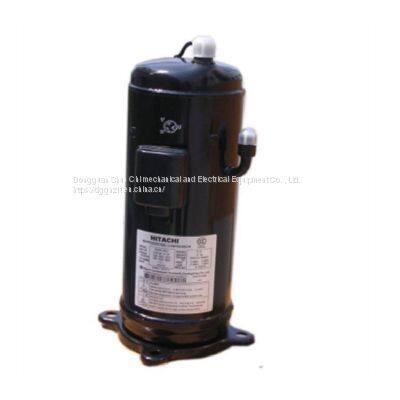
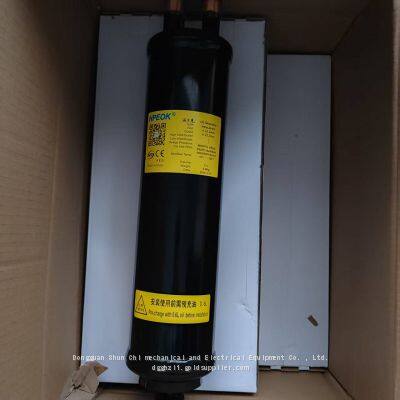
Top-selling and featured products in Industrial Equipment & Components

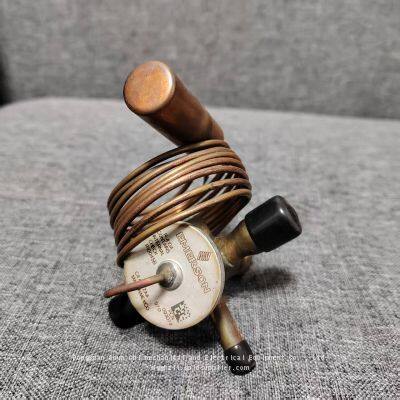
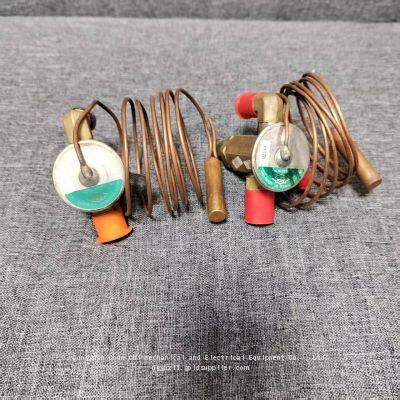
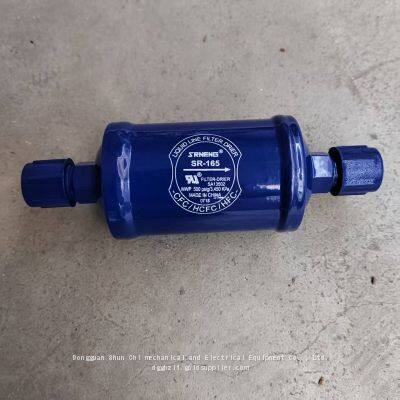
Essential tips for successful procurement

Find Products Efficiently

Verify Supplier Credentials


Common Sourcing Questions in Industrial Equipment & Components
What certifications are required for sourcing industrial bearings used in heavy machinery?
How do I manage the MOQ for custom fasteners in industrial assembly lines?
What factors should I consider for filtration parts in food processing equipment?
Can I get prototypes before ordering customized valves for high-pressure systems?
What are the lead times and certifications for sourcing backup power generators?
How do I ensure quality for engine parts in construction equipment procurement?
What standards apply to environment protection devices for industrial waste management?
How can I verify efficiency for power transmission parts like gears in manufacturing?
Explore more categories

Official WeChat Account
Follow Us for Updates


 Contact Platform Support
 Help Center